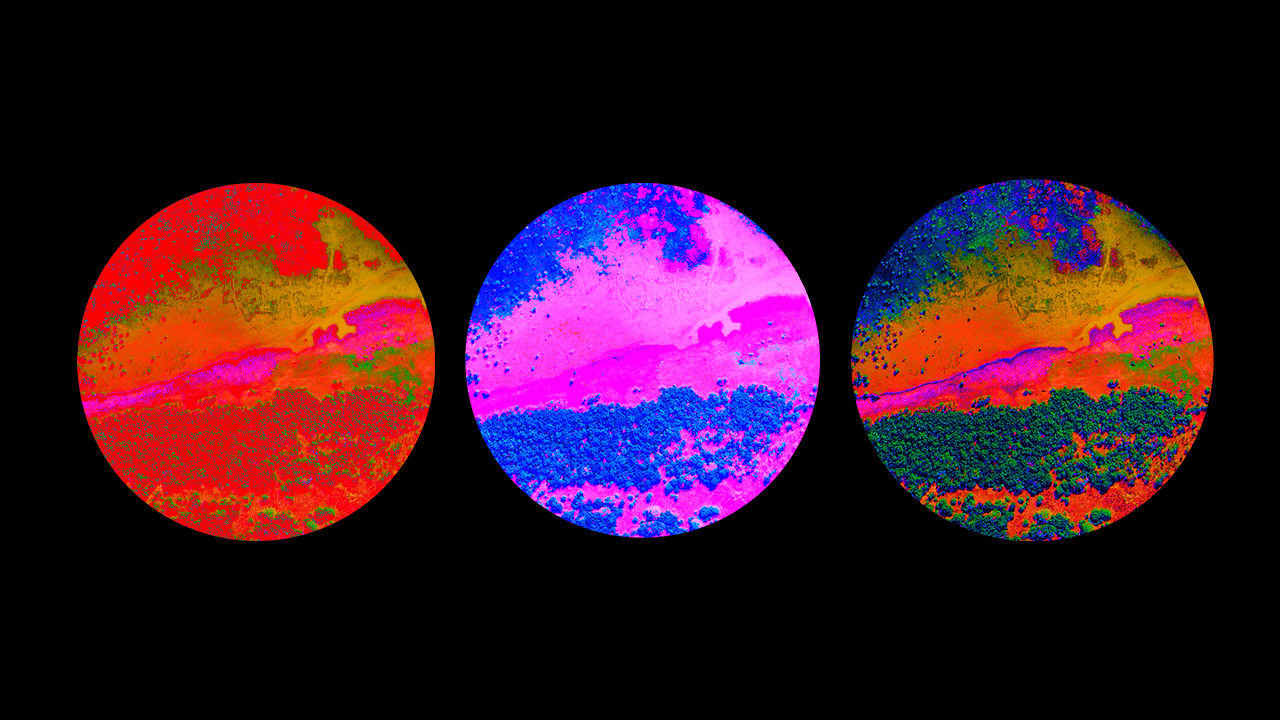
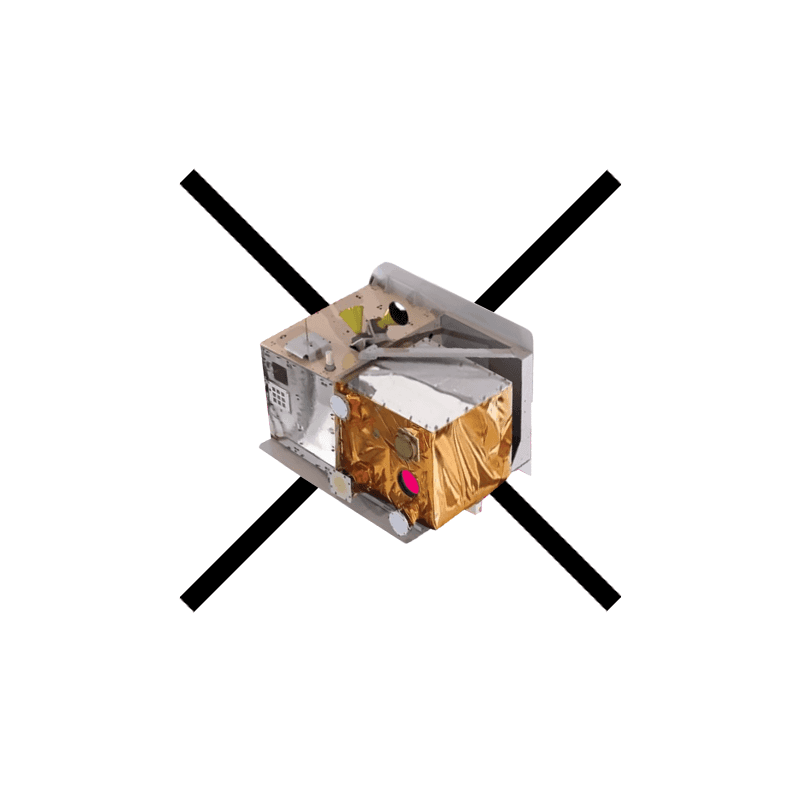
Over The Rainbow (OTR) is Esperโ€™s genesis orbital mission. OTR1 launched in 2024, marking the beginning of our delivery of high-quality hyperspectral imagery from space. A bridging software satellite, OTRX, has maintained data continuity between missions. OTR2 launches in August 2025, continuing the evolution of our satellite capabilities.

Data
Data

Data

Here you'll find in-depth data
on each of our OTR missions.

Here you'll find in-depth data
on each of our OTR missions.

Here you'll find in-depth data
on each of our OTR missions.

Click the satellite above for specs!

OTR-X1

Click the satellite above for specs!

OTR-X1

Click the satellite above for specs!

OTR-X1

Click the satellite above for specs!

OTR-X2
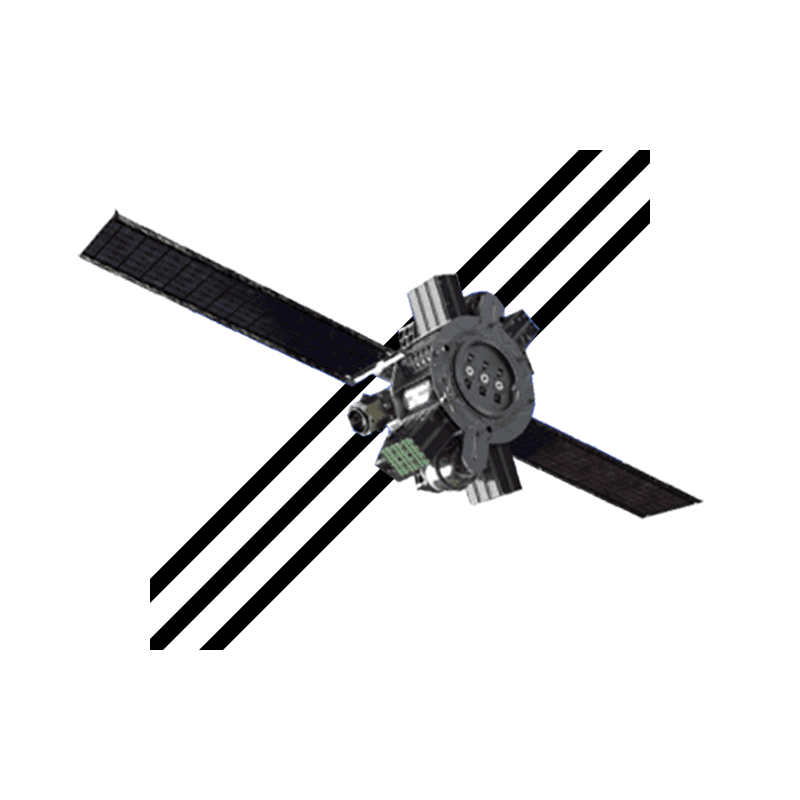
Click the satellite above for specs!

OTR-X2
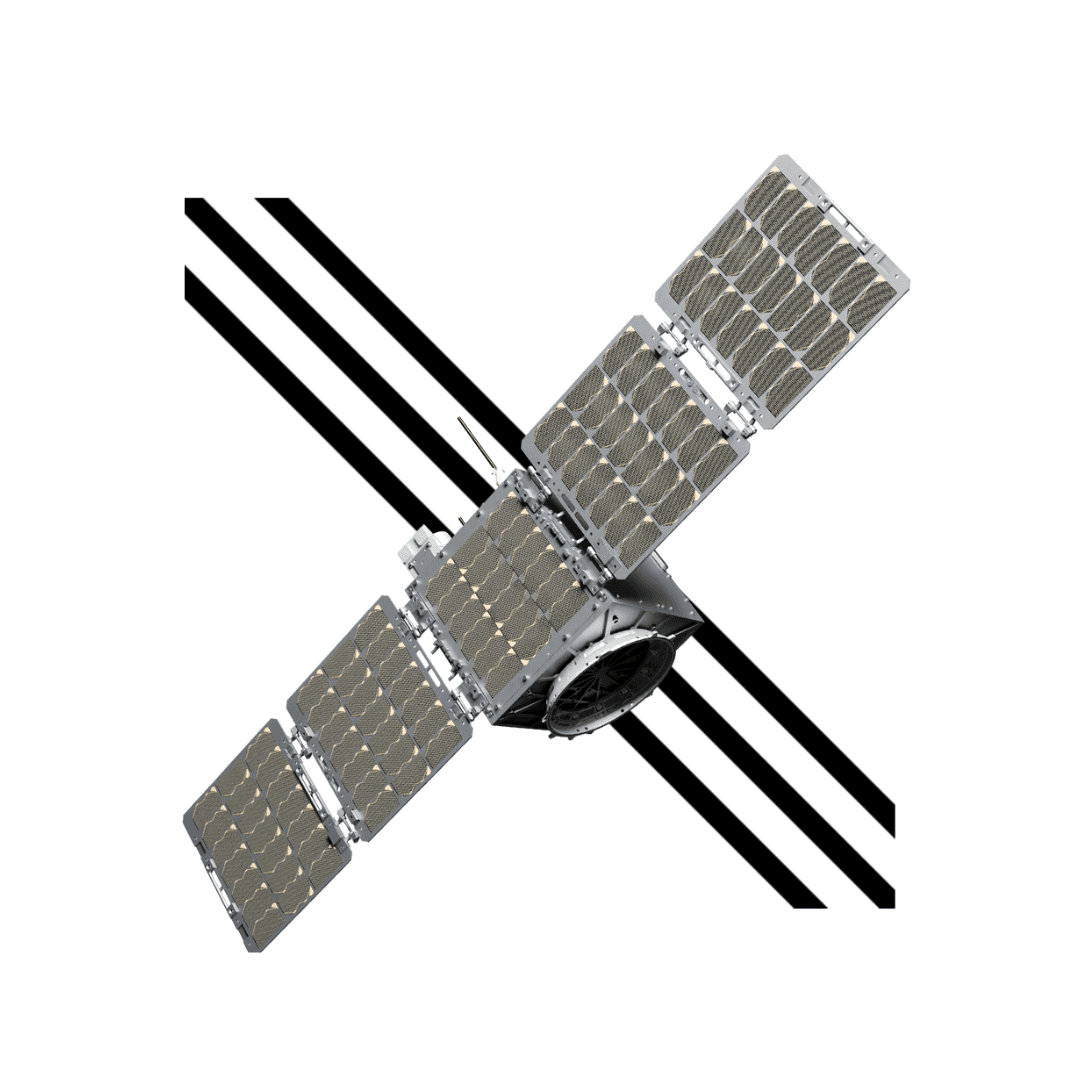
Click the satellite above for specs!

OTR-X2

OTR-1

OTR-1

Mission Concluded March 2024

Mission Concluded March 2024

OTR-2

OTR-2

Mission Concluded November 2025

Mission Concluded November 2025

Our next mission, the Four
Leaf Clover, is set to launch in November, 2026. More information here. ๐Ÿ€

Our next mission, the Four
Leaf Clover, is set to launch in November, 2026. More information here. ๐Ÿ€

Our next mission, the Four
Leaf Clover, is set to launch in November, 2026. More information here. ๐Ÿ€

Order Mineral Intelligence Now

Use our hyperspectral sensors to get a clearer view of the planet

Drone shot of a running track at night

Order Mineral Intelligence Now

Use our hyperspectral sensors to get a clearer view of the planet

Drone shot of a running track at night

Order Mineral Intelligence Now

Use our hyperspectral sensors to get a clearer view of the planet

Drone shot of a running track at night

We are committed to improving and encouraging sustainability across multiple industries with the use of next generation sensors.

We are committed to improving and encouraging sustainability across multiple industries with the use of next generation sensors.

We are committed to improving and encouraging sustainability across multiple industries with the use of next generation sensors.