Deeper Intelligence for Existing Tenement Holders
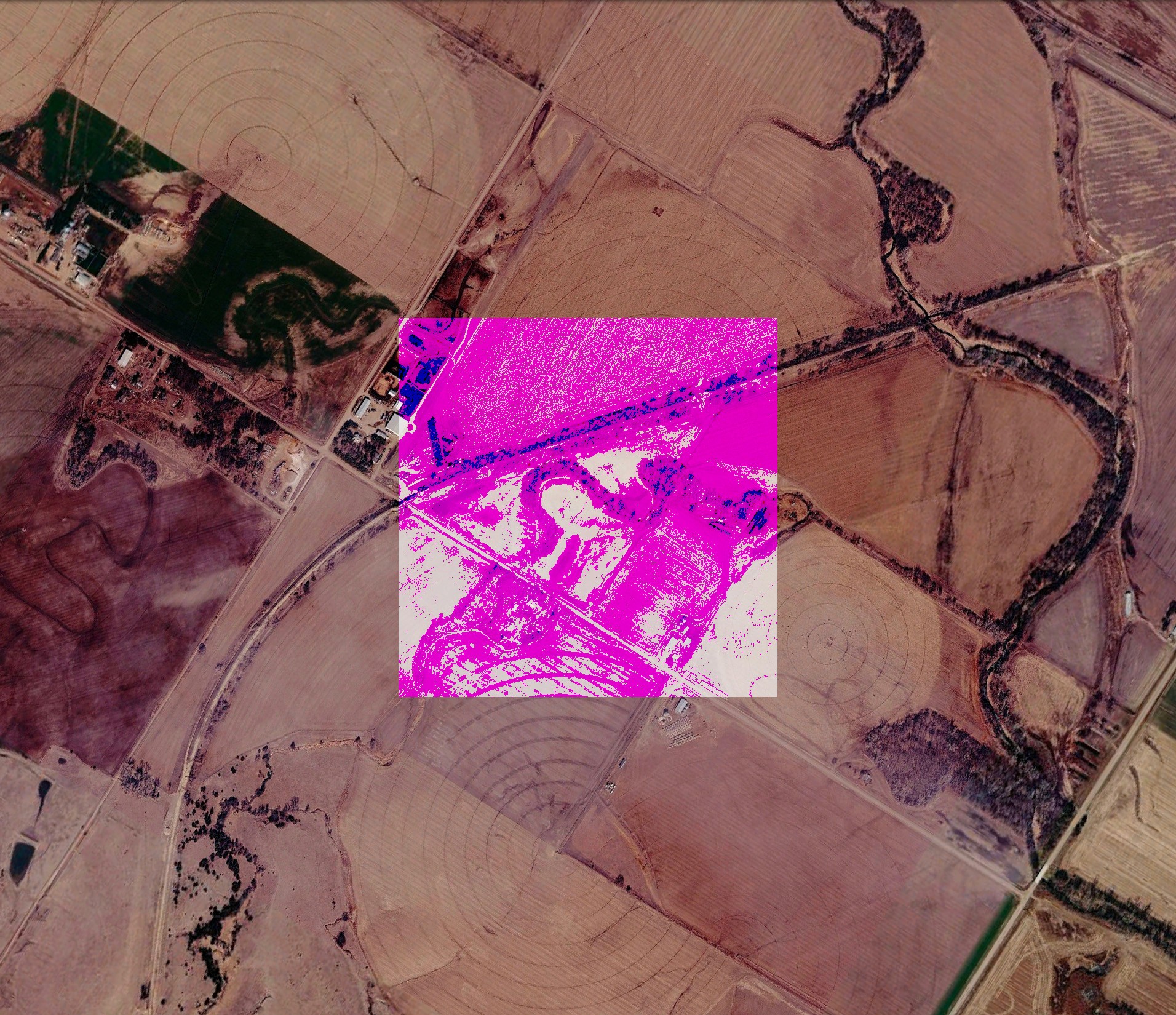
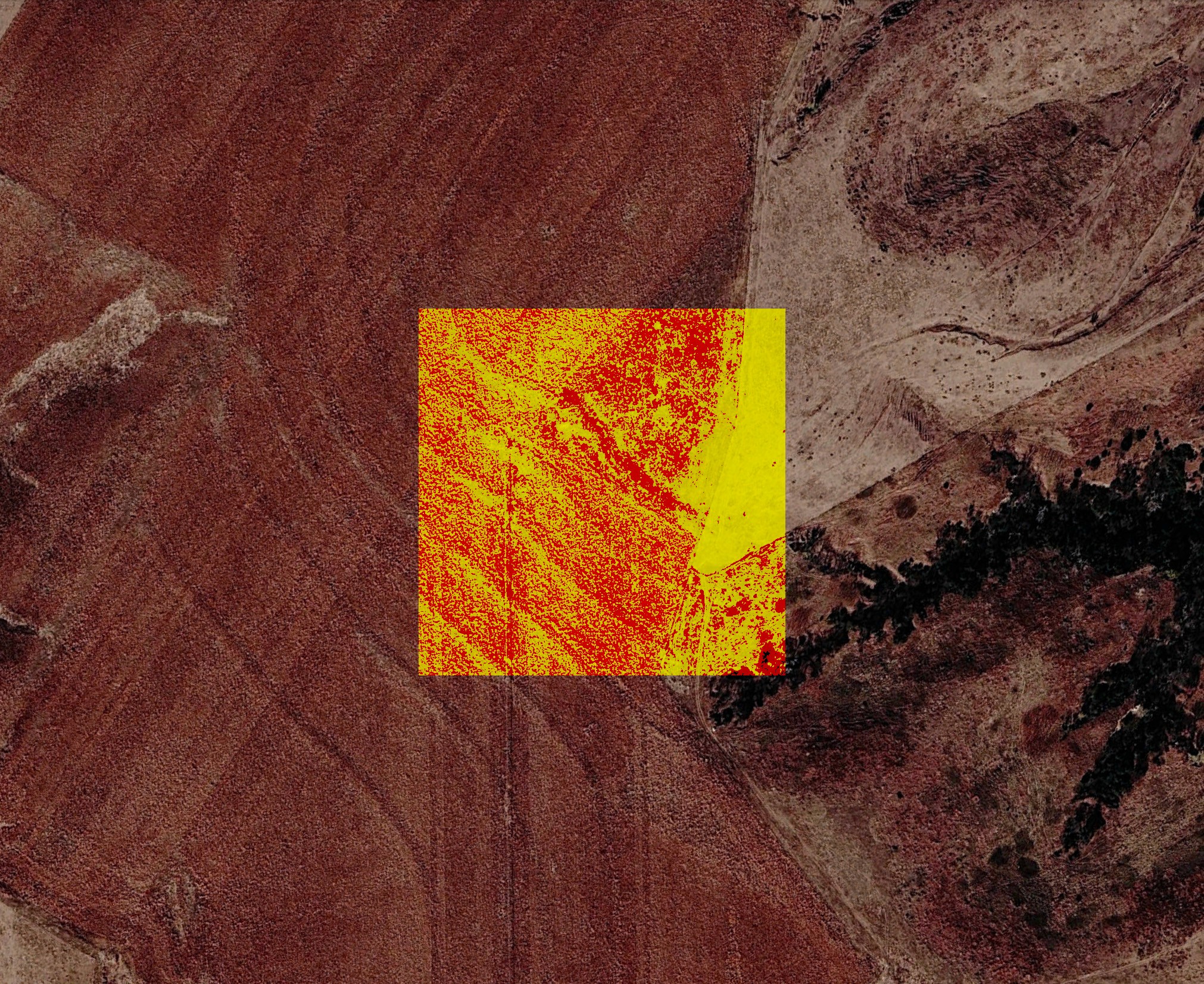
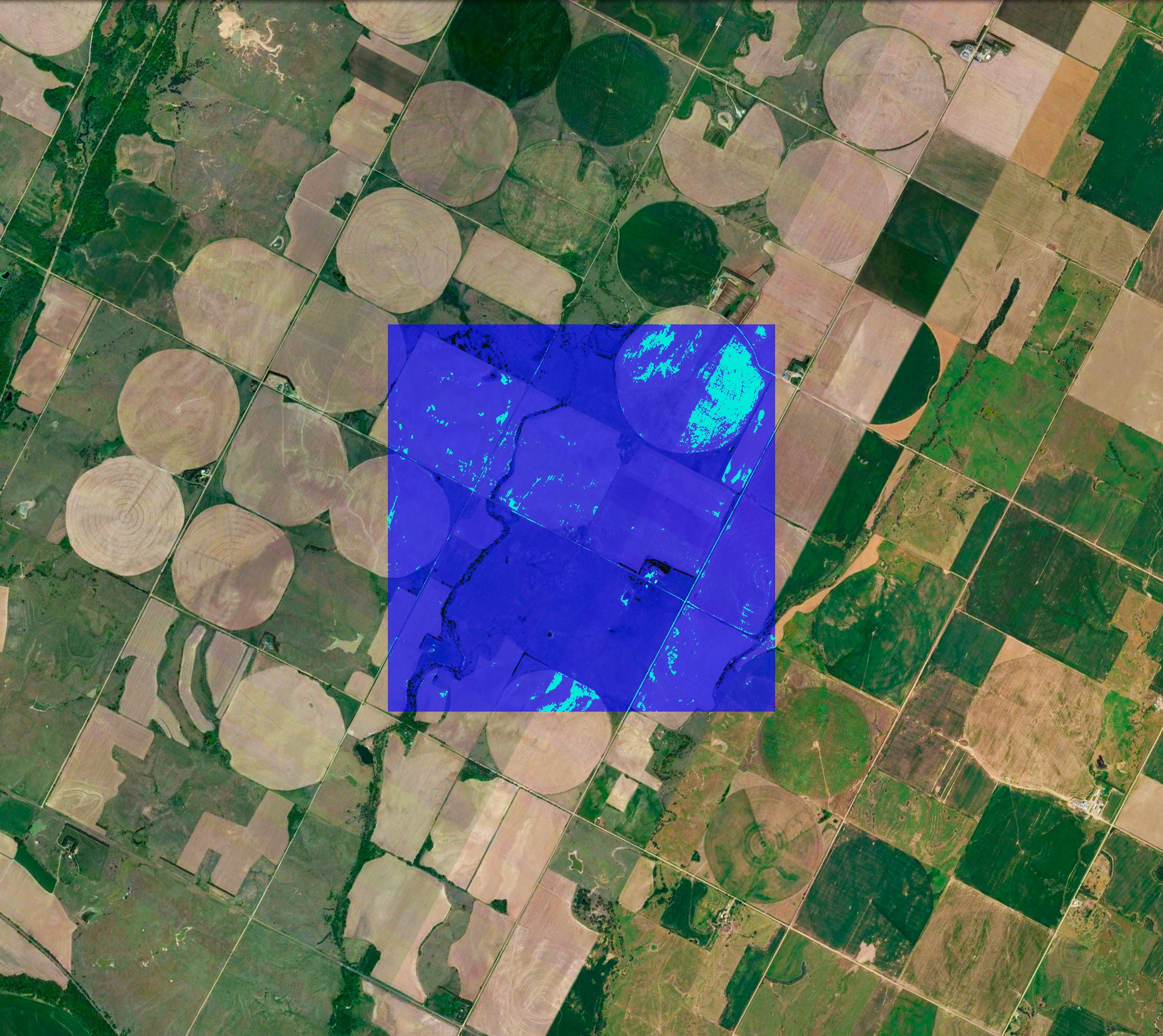
The Esper Mineralisation Map provides a high-resolution mineralogical blueprint of the Northern Territory, transforming how tenement holders approach exploration. Using hyperspectral surface analysis, the map identifies alteration assemblages and pathfinder mineral signatures in a single pass—intelligence that traditionally requires months of field work or expensive airborne surveys.
Precision Targeting: Prioritize drill targets with greater confidence using current satellite-derived data.
Resource Optimization: Identify overlooked zones within existing tenure and streamline exploration budgets.
Rapid Assessment: Evaluate new applications or existing portfolios without the need for immediate, costly geochemical sampling.
By bridging the gap between broad geological inference and site-specific reality, Esper empowers both junior explorers and major operators to see their ground with unprecedented clarity.


Around 80% of the Northern Territory — more than 1.35 million square kilometres of prospective geology — has never been surveyed by modern methods. Today, Esper Satellite Imagery launched Australia’s first hyperspectral mineralisation map of the NT, giving tenement holders deeper insight into their land and equipping explorers and capital allocators with satellite-derived targeting intelligence at a fraction of the cost of a traditional airborne survey campaign.
DARWIN, NT — The inaugural layer of the Esper Mineralisation Map focuses on gold — a timely starting point with spot gold having surged more than 65% over the past twelve months and setting a new all-time high above US$5,500 per ounce in January 2026. Subsequent releases will cover minerals from the NT Government’s 15-strong critical minerals list, including lithium, cobalt, rare earth elements, vanadium, and manganese.
The Map is derived from multi-band hyperspectral satellite imagery processed to detect surface spectral signatures associated with gold pathfinder minerals and hydrothermal alteration assemblages. Spectral mapping of this kind has historically required purpose-flown airborne surveys — a process that can cost hundreds of thousands of dollars per target area and takes months to commission, fly, and interpret. Esper’s satellite-derived approach delivers regional-scale coverage at a fraction of that cost, making systematic targeting viable for both established tenement holders and junior explorers who have historically lacked access to this class of intelligence.
Global demand for critical minerals is under structural pressure. Against a backdrop of China’s ongoing restrictions on critical mineral exports and an Australian federal election in which critical minerals policy has featured prominently, the timing of Esper’s launch reflects both market need and geopolitical urgency. The Northern Territory holds known deposits across 15 of Australia’s nationally designated critical minerals and is ranked in the top 10 jurisdictions globally for mining investment attractiveness.